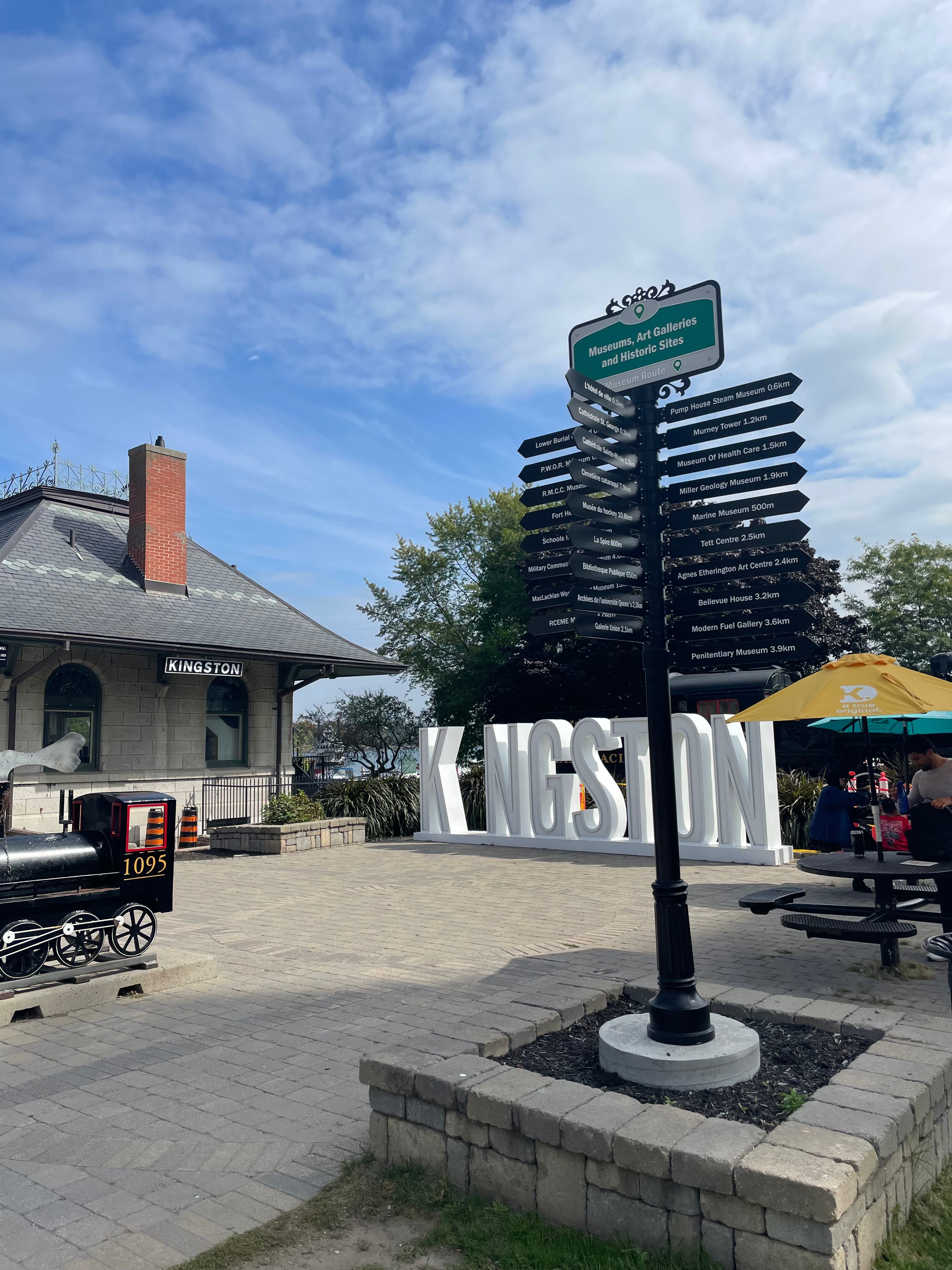

Museums are often described as “windows to the past,” and for good reason. Why museums matter goes beyond simply housing artifacts—they are powerful tools for understanding history, culture, and society. In Kingston and the area, the presence of museums and historic sites offers a unique opportunity to connect with the region’s rich heritage. From the old military forts to the buildings that once housed Canada’s first parliament, the area’s museums are more than just places to visit—they are vital in shaping our collective memory and educating future generations. In this post, we’ll explore how museums in Kingston and the area continue to influence our understanding of history.
Preserving and Sharing Collective Memory
One of the primary roles of museums is to preserve and share collective memory. In Kingston, the Canada’s Penitentiary Museum or the Great Lakes Museum, house artifacts that tell the story of the city’s past. By preserving objects and documents—some hundreds of years old—these institutions ensure that important stories are not forgotten. Kingston has a deep history as a military stronghold and a pivotal location during the early days of Canada’s development, and these museums help capture the essence of these moments in time.


For instance, the Fort Henry National Historic Site, originally built during the War of 1812, is a perfect example of how a museum can preserve and present history. Through reenactments and guided tours, visitors can immerse themselves in the past, experiencing the struggles and triumphs that shaped the region’s identity. Without these institutions, much of Kingston’s history might be lost, and future generations would lose valuable insights into their cultural origins. Museums, then, are not just buildings full of old objects; they are the custodians of our history.
The Educational Role of Museums
Beyond preserving history, museums play a critical educational role. For residents of Kingston, museums are often the first point of contact with their cultural roots. Educational programs, tours, and exhibits help foster a deeper understanding of both local and national history. Students, families, and curious visitors alike can walk through time, learning about the city’s founding, the evolution of its infrastructure, and its role in Canada’s history.
Kingston’s educational museums also serve as platforms for meaningful conversations about social justice, colonialism, and the evolution of Canadian identity. Exhibits related to Indigenous peoples, for example, provide opportunities to reflect on the relationships between First Nations and settlers, as well as the ongoing impact of colonization. Educational programs focusing on these important subjects not only promote learning but encourage critical thinking and discussions on how history continues to shape present-day issues. This educational aspect of museums is vital for both understanding where we’ve been and determining how we move forward as a society.
Museums as Community Hubs
In addition to being educational resources, museums in Kingston function as community hubs. They are places where people come together, whether to engage with the exhibits, participate in local events, or simply enjoy the space. For example, Kingston’s City Hall, which dates back to the early 19th century, serves as both a historic site and a gathering place for local events, lectures, and community activities. This dual role—preserving the past while being an active part of the present—makes museums in Kingston much more than static displays of artifacts.
Museums foster a sense of connection to the community. They offer a space for people of all ages to come together and explore shared histories, celebrate local culture, and engage with their neighbors. For instance, The Agnes Etherington Art Centre is not only a place to appreciate art but also a venue for community programming that draws together artists, historians, educators, and residents. By hosting events, workshops, and special exhibitions, museums like these play a key role in building a strong, connected community, one that values its history while moving forward together.
Shaping Our Identity and Understanding of Society
Museums also help shape our broader understanding of society. In a city like Kingston, where the layers of history are palpable, museums serve as a tangible representation of the city’s evolving identity. Whether it’s exploring the stories of military conflicts at Fort Frontenac, learning about Kingston’s time as a prison town at the Kingston Penitentiary, or understanding the architectural beauty of its 19th-century structures, museums help us understand how these events and places have contributed to the society we live in today.
These institutions often provide a lens through which we can explore complex questions about power, governance, and social change. For example, the Military Communications and Electronics Museum and the Royal Canadian Corps of Electrical and Mechanical Engineers Museum at CFB Kingston delves into Canada’s military history, offering insights into how national security, technological innovation, and international diplomacy intersect. These historical perspectives challenge us to consider how the events of the past continue to influence our contemporary lives and shape the future. Museums allow us to reflect on the broader implications of our past, offering valuable insights into the present and future.
Supporting Local Museums and Historic Sites This May
As we look forward to the warmer days of summer, May presents the perfect opportunity to celebrate and support our local museums, as it’s Museum Month! This special time encourages us to reflect on the cultural, historical, and educational value that museums bring to our communities. In Kingston, Ontario, our museums offer unique and engaging experiences that connect us with the past, inspire future generations, and foster a sense of pride in our shared heritage.
Visiting Kingston’s museums this May—and throughout the summer—is a great way to not only enjoy the city’s rich history but also contribute to preserving it for years to come. Whether you’re exploring Fort Henry National Historic Site, delving into the stories behind The Great Lakes Museum, or learning about local artists at one of the many galleries in Kingston, each museum provides an opportunity to engage with history in meaningful ways.
A Call to Action: Visit, Support, and Learn
Museum Month reminds us that these institutions thrive with the support of the community. By visiting and supporting Kingston’s local museums, you are helping to ensure that these valuable resources continue to educate and inspire. Whether it’s through a donation, a membership, or simply spending an afternoon touring an exhibit, every little bit counts in preserving the history that shapes our city.
This summer, take the time to visit Kingston’s museums, support their missions, and learn more about the fascinating stories that continue to shape our community. Why museums matter is evident in the way they bring people together, celebrate culture, and promote understanding across generations. Let’s take full advantage of Museum Month this May, and make a lasting impact by supporting the museums that tell our story.
Written by: Kingston & Area Association of Museums
If you would like to learn more about the Museums, Art Galleries and Historic Sites of Kingston and the Area start by exploring the spaces around you!